Use your labels
Enter the ratings from the truck, hitch, tires, and trailer you actually own.

Real ratings. Real weights.
TowCal compares your truck, hitch, tires, axles, and trailer instead of giving you one misleading “max tow” number.
Enter the ratings from the truck, hitch, tires, and trailer you actually own.
Use connected and truck-only axle weights for the clearest result.
Find the first limit you reach—not just whether one headline number passes.
Step 1 of 3
Optional, but useful. Vehicle lookup fills identity fields—not safety-critical ratings.
Manufacturer resources
Select a vehicle above and use the official guide to confirm its exact configuration.
Ratings can change by engine, axle ratio, cab, bed, drivetrain, and installed equipment. Match the guide to the truck—not just the model name.
Step 2 of 3
Use pounds. Values stay on this device unless you choose to share them later.
Reference
These are the numbers TowCal compares. The label or guide for your exact configuration always wins.
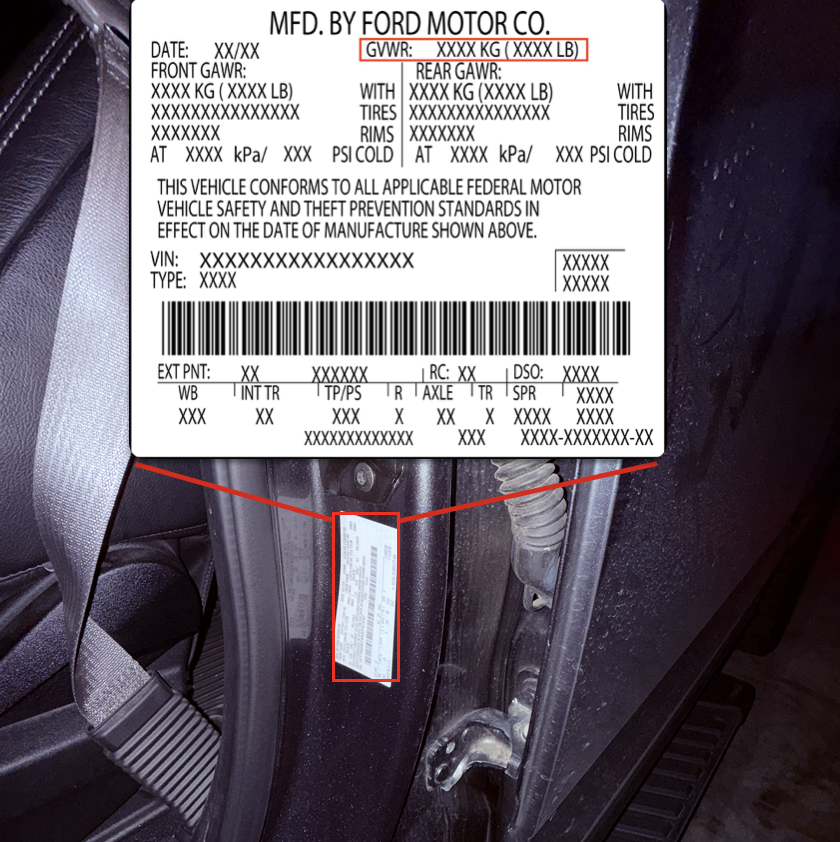
Gross Vehicle Weight Rating. The most the loaded truck may weigh, including people, cargo, accessories, and hitch weight.
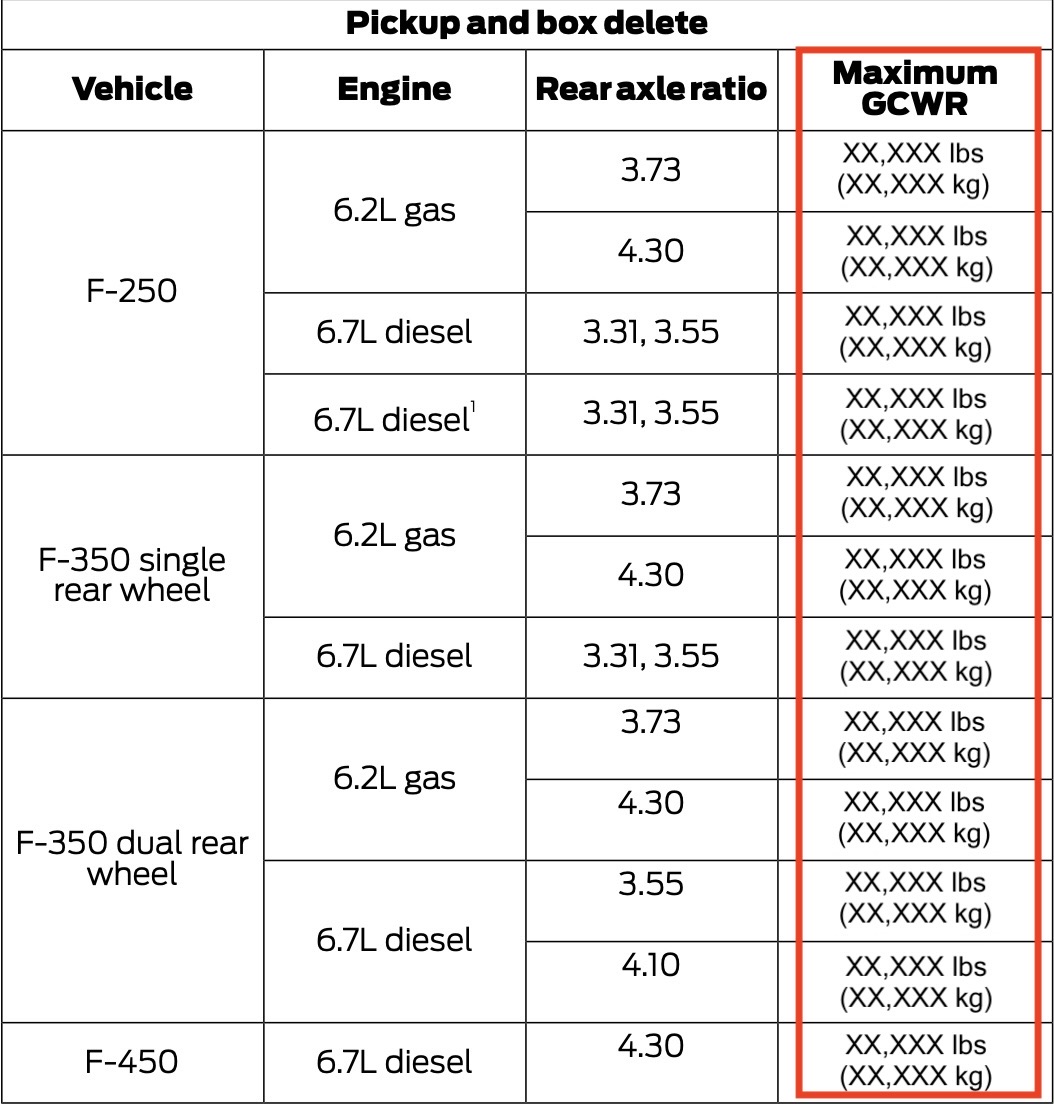
Gross Combined Weight Rating. The most the loaded truck and loaded trailer may weigh together. Find it in the towing guide or owner documentation.
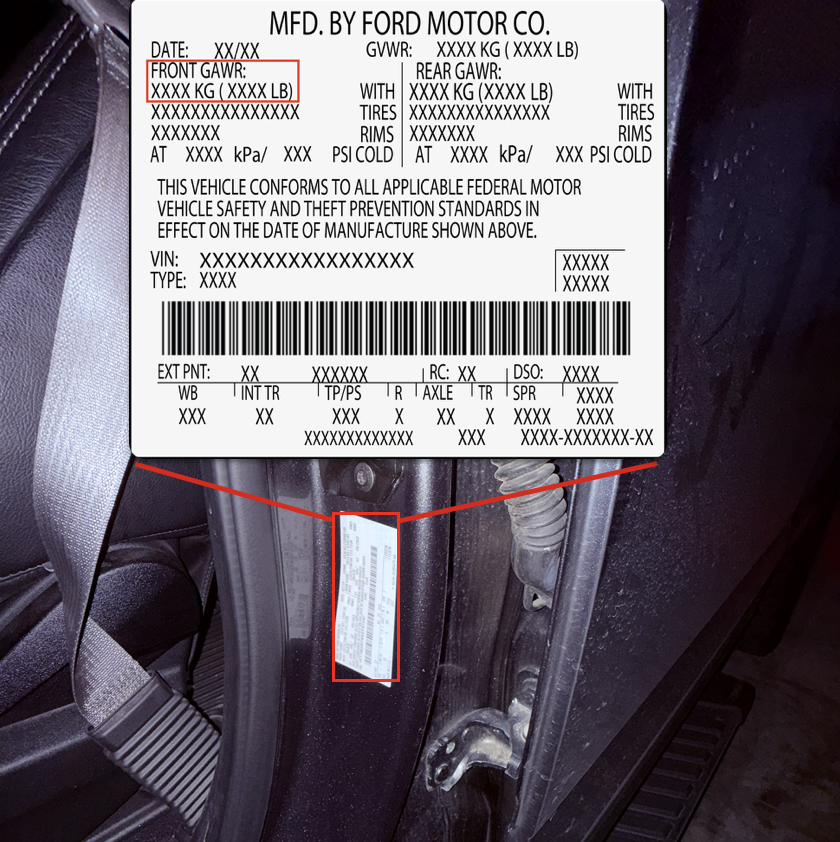
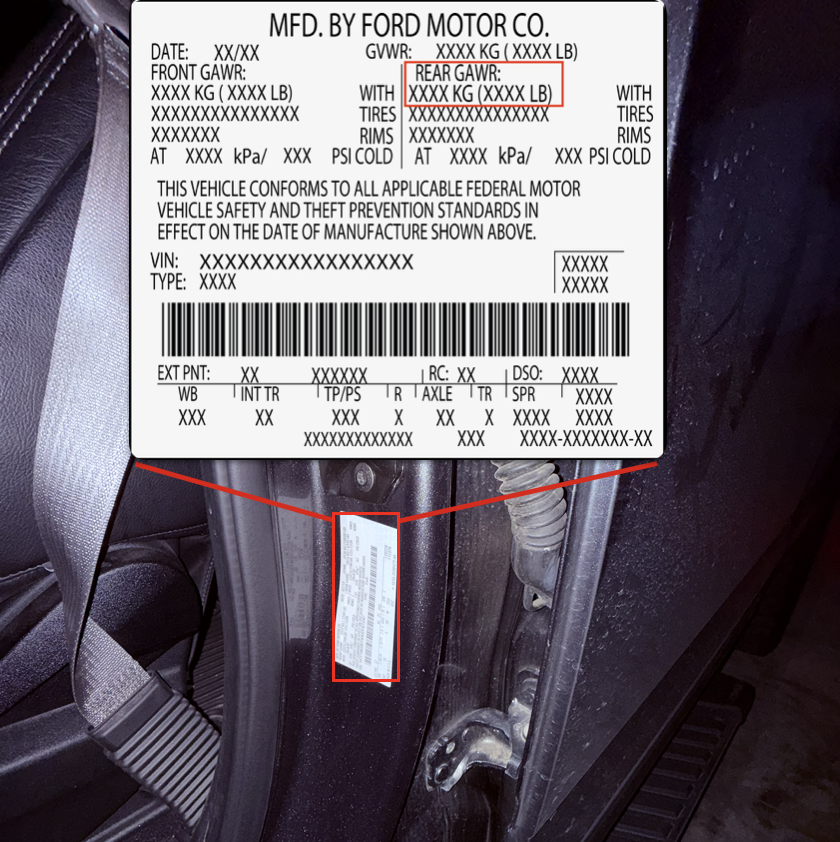
Gross Axle Weight Rating. The maximum allowed on one axle. The door label lists separate front and rear ratings.
The people, cargo, accessories, and tongue or pin weight the truck can carry. Use the truck's tire-and-loading label when available; do not assume a brochure maximum.
The truck with standard equipment and operating fluids, but without people or cargo. Added equipment can make your actual empty truck heavier.
The portion of loaded trailer weight carried by the truck. TowCal starts at 15% for conventional trailers and 20% for fifth wheels or goosenecks. You can adjust the percentage in either estimated workflow.
The most the entire loaded trailer may weigh. It includes both the weight carried on the trailer tires and axles and the weight transferred to the truck through the tongue or fifth-wheel/gooseneck pin. Look for it on the trailer certification label.
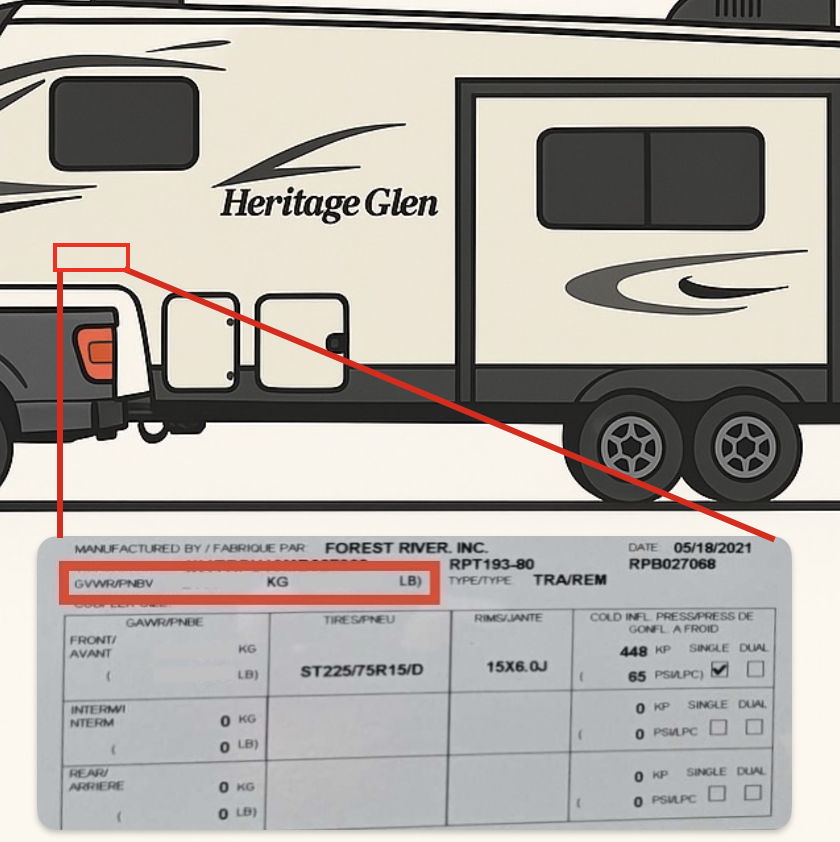
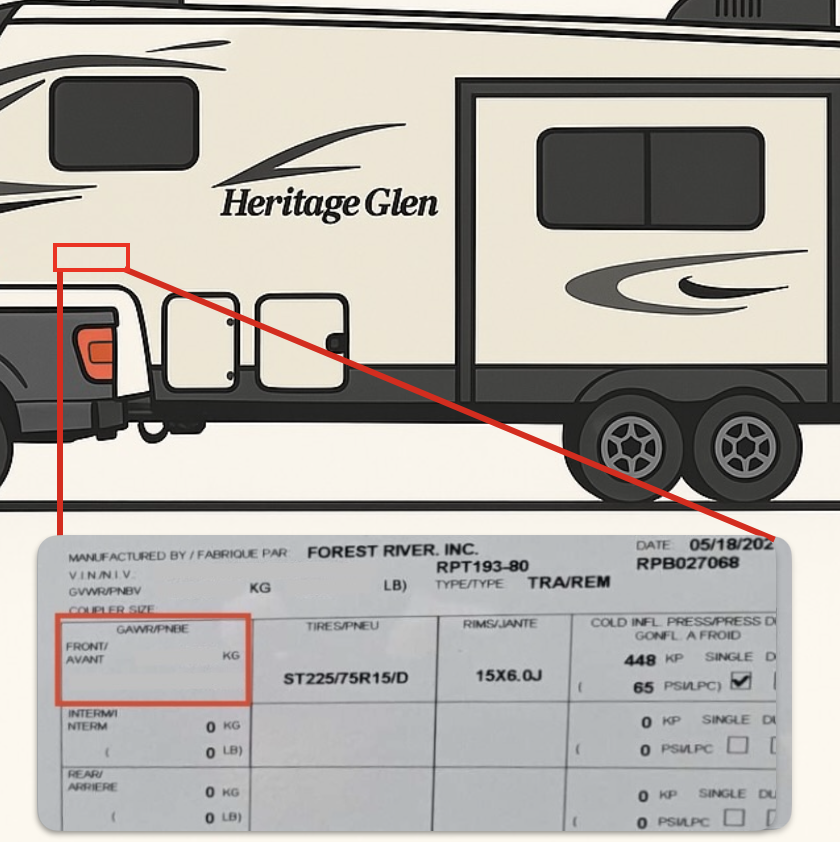
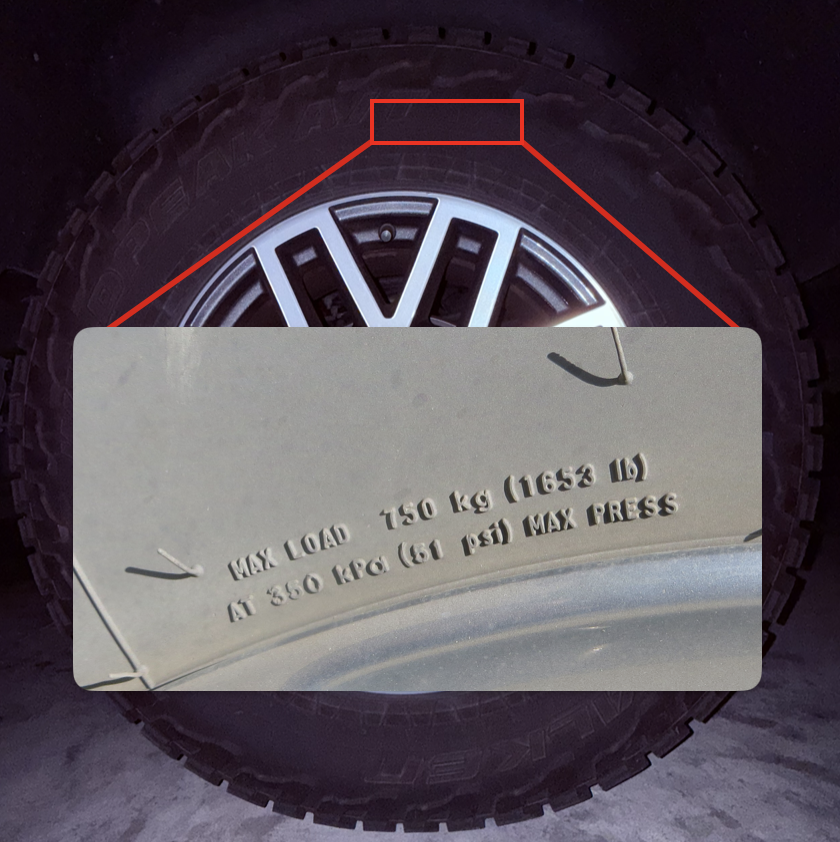
Each trailer axle and each tire has its own limit. The lowest applicable rating matters.
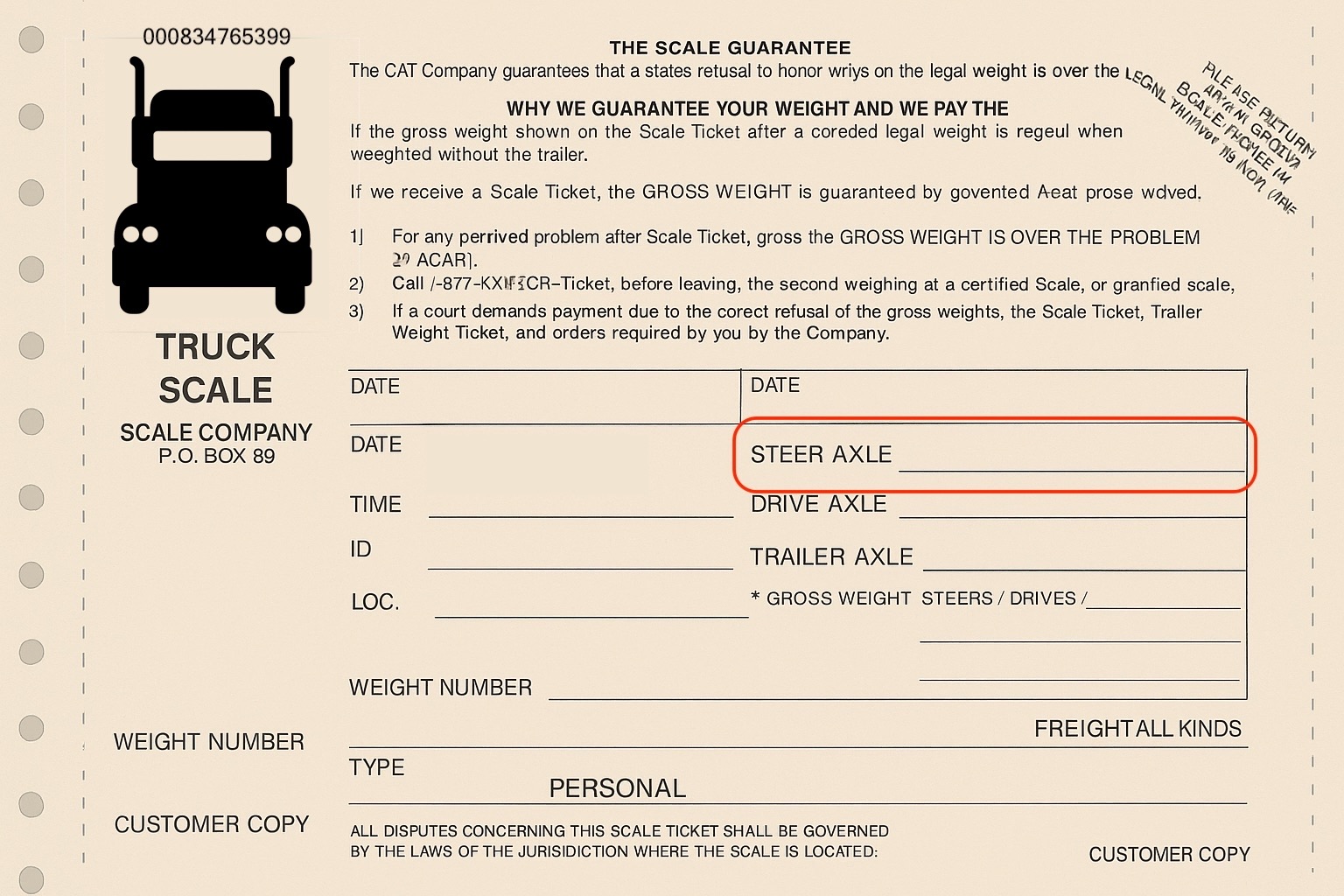
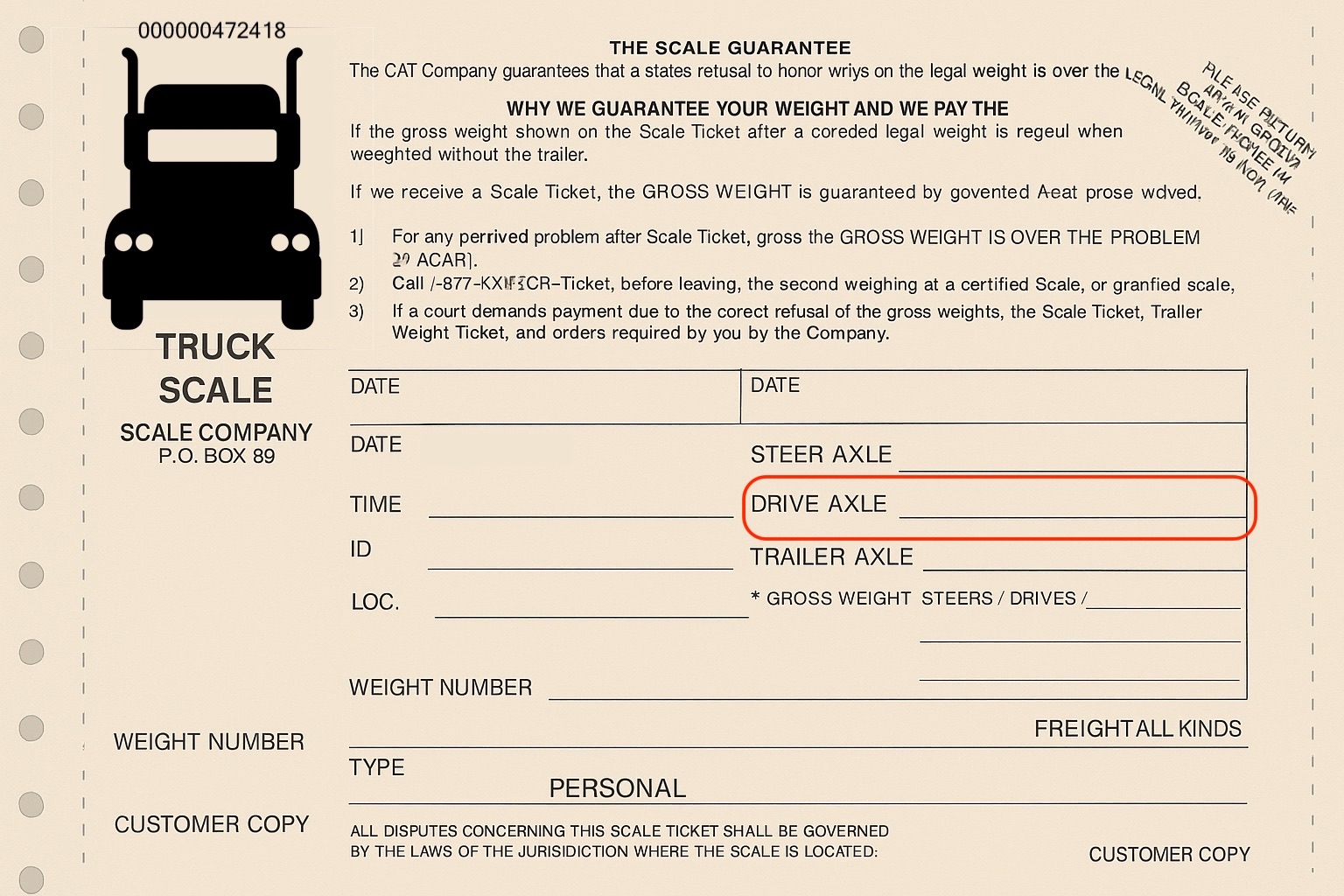
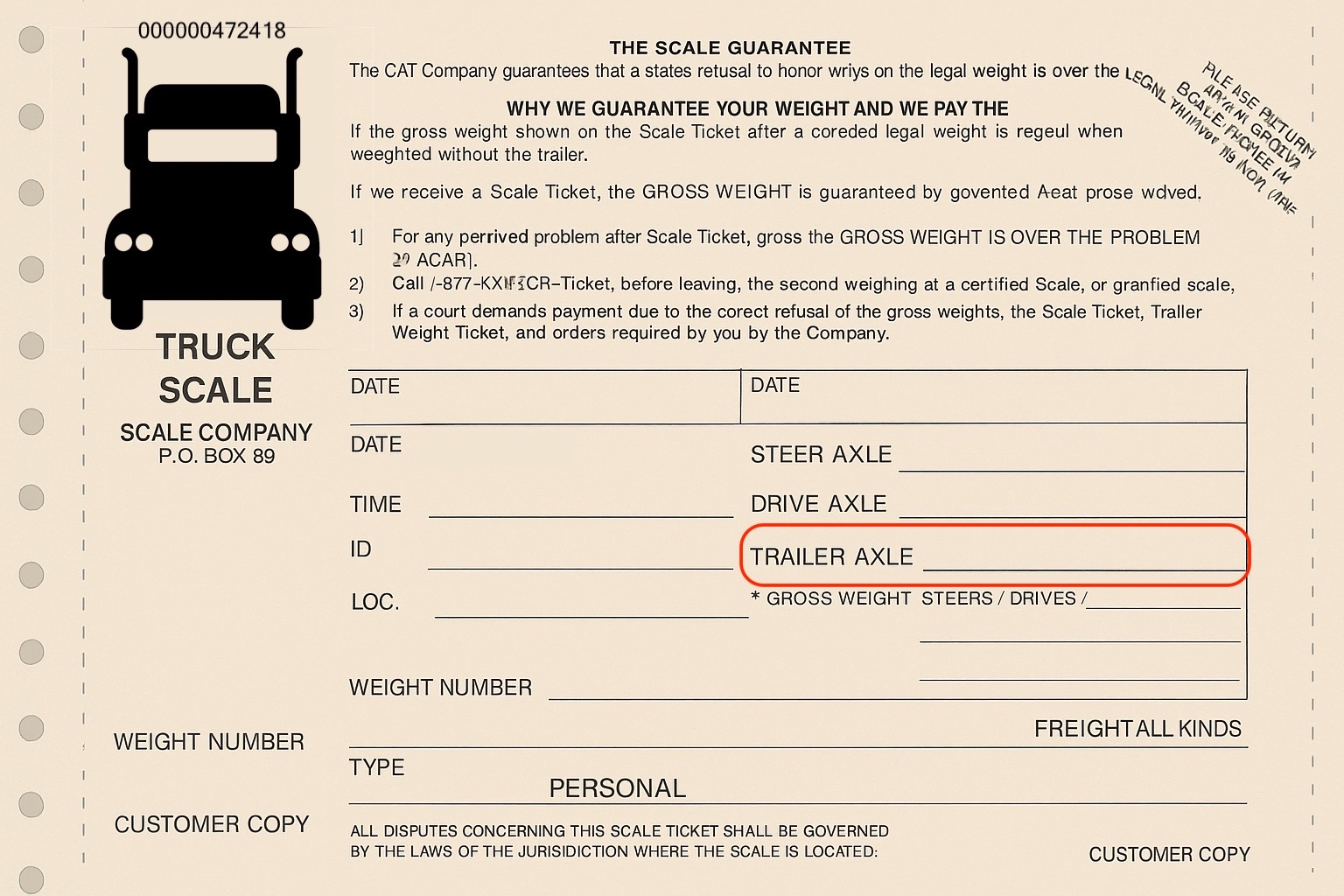
On a three-platform scale, the truck's front tires sit on the steer platform, the rear tires on the drive platform, and the trailer tires on the trailer platform.
Contact
TowCal is being built around real towing questions. If something is unclear or your configuration is missing, send a note.
Include the truck year, model, hitch type, and what you were trying to calculate.
support@towcal.comStep 3 of 3
Compared with the ratings you entered.
A passing result means the entered or calculated weight is within that specific rating. It does not certify that the combination is safe or legal. Confirm ratings, loading, tire pressure, hitch setup, brakes, and applicable laws before towing.